
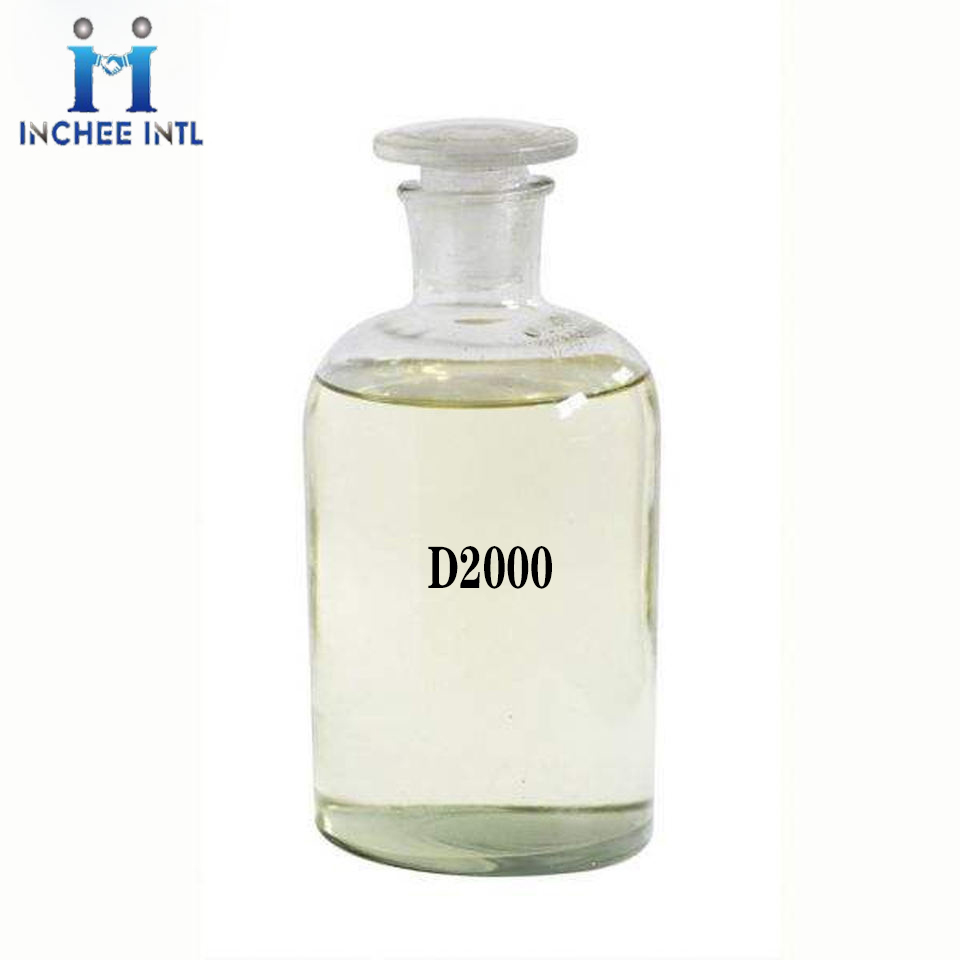
Fabricant Good Price D2000 CAS : 9046-10-0
Synonymes
POLY(PROPYLÈNE GLYCOL) BIS(2-AMINOPROPYL ETHER), MASSE MOYENNE ENVIRON 4 000 ; POLY(PROPYLÈNE GLYCOL) BIS(2-AMINOPROPYL ETHER), MASSE MOYENNE ENVIRON 230 ; POLY(PROPYLÈNE GLYCOL) BIS(2-AMINOPROPYL ETHER), MASSE MOYENNE ENVIRON 2 000 ; POLY(PROPYLÈNE GLYCOL) BIS(2-AMINOPROPYL ETHER), MASSE MOYENNE ENVIRON 400 ; Polypropylèneglycol-bis-(2-aminopropyléther) ; Polyoxy(méthyl-1,2-éthanediyl), .alpha.-(2-aminométhyléthyl)-.omega.-(2-aminométhyléthoxy)- ; Poly(oxy(méthyl-1,2-éthanediyl)), alpha-(2-aminométhyléthyl)-omega-(2-aminométhyléthoxy) molaire Masse >400 g/mol ; Poly(oxy(méthyl-1,2-éthanediyl)), alpha-(2-aminométhyléthyl)-omega-(2-aminométhyléthoxy) molaire Masse 230 g/mol
Applications du D2000
- Le poly(propylène glycol) bis(2-aminopropyl éther) présente une bonne résistance aux alcalis et à l'eau, ainsi qu'une résistance modérée aux acides. Les résines époxy durcies avec des polyétheramines possèdent de bonnes propriétés électriques. Les polyétheramines, aux propriétés uniques, sont utilisées dans la quasi-totalité des applications époxy, telles que les revêtements, les enrobages, les matériaux de construction, les composites et les adhésifs.
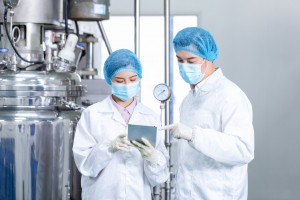
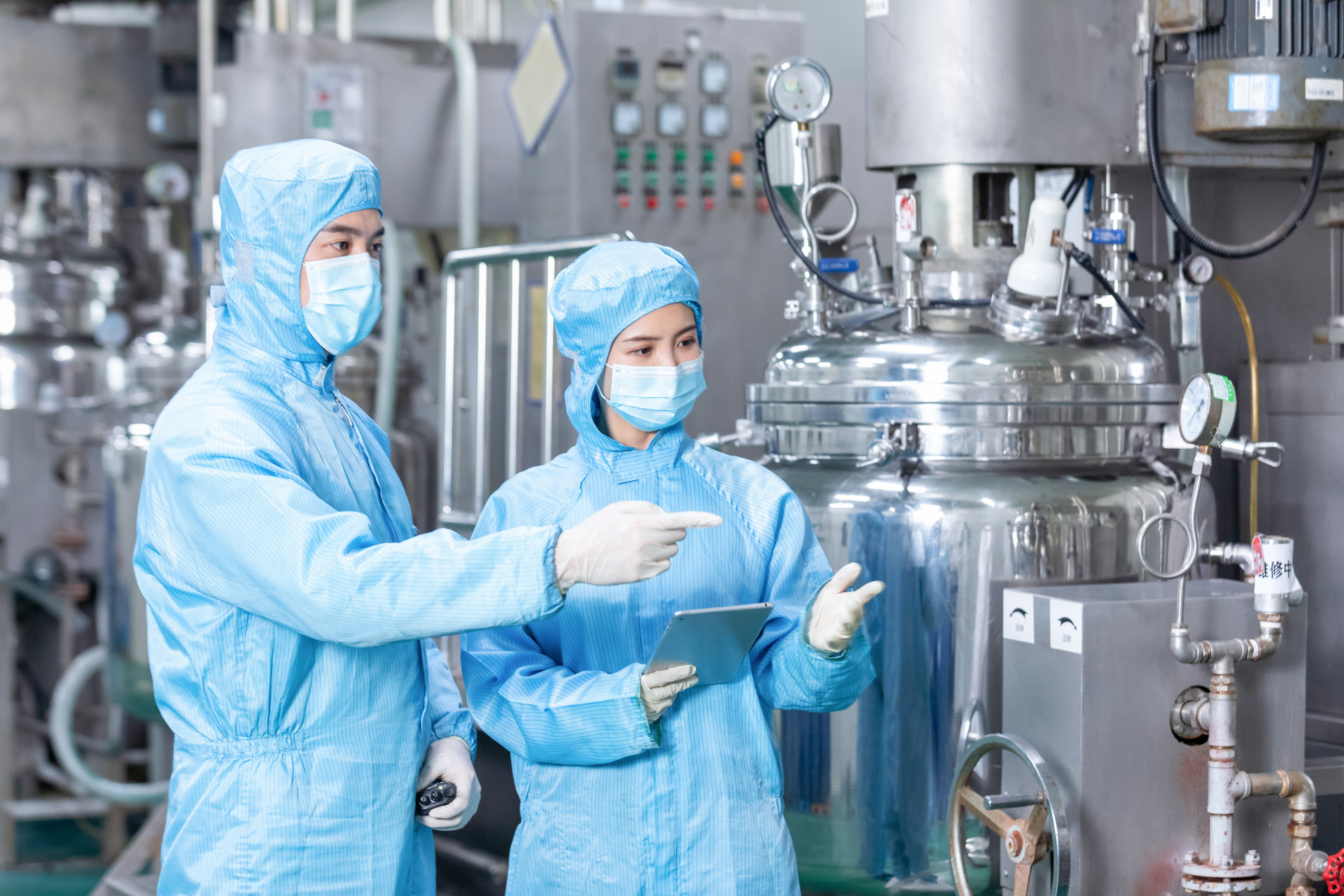
- Préparation : synthèse du poly(propylène glycol) bis(2-aminopropyl éther) : Premièrement, le polyéther est attaché au groupe acétoacétate aux deux extrémités par diénone ou par la réaction d'échange d'ester de l'acétoacétate d'éthyle avec le polyéther polyol, puis le polyéther coiffé par le groupe acétoacétate est aminé avec une mono-amine primaire, une alkyl-alcool amine ou une di-amine primaire pour obtenir un composé imine à faible viscosité avec un groupe terminal aminobutyrate.

Spécifications du D2000
| Composé | Spécification |
| Valeur totale des amines | 52,2 à 58,9 mgKOH/g |
| Le taux d'amine primaire | ≥97% |
| Couleur (PT-CO), Hazen | ≤25 APHA |
| Eau,% | ≤0,25% |
Emballage du D2000
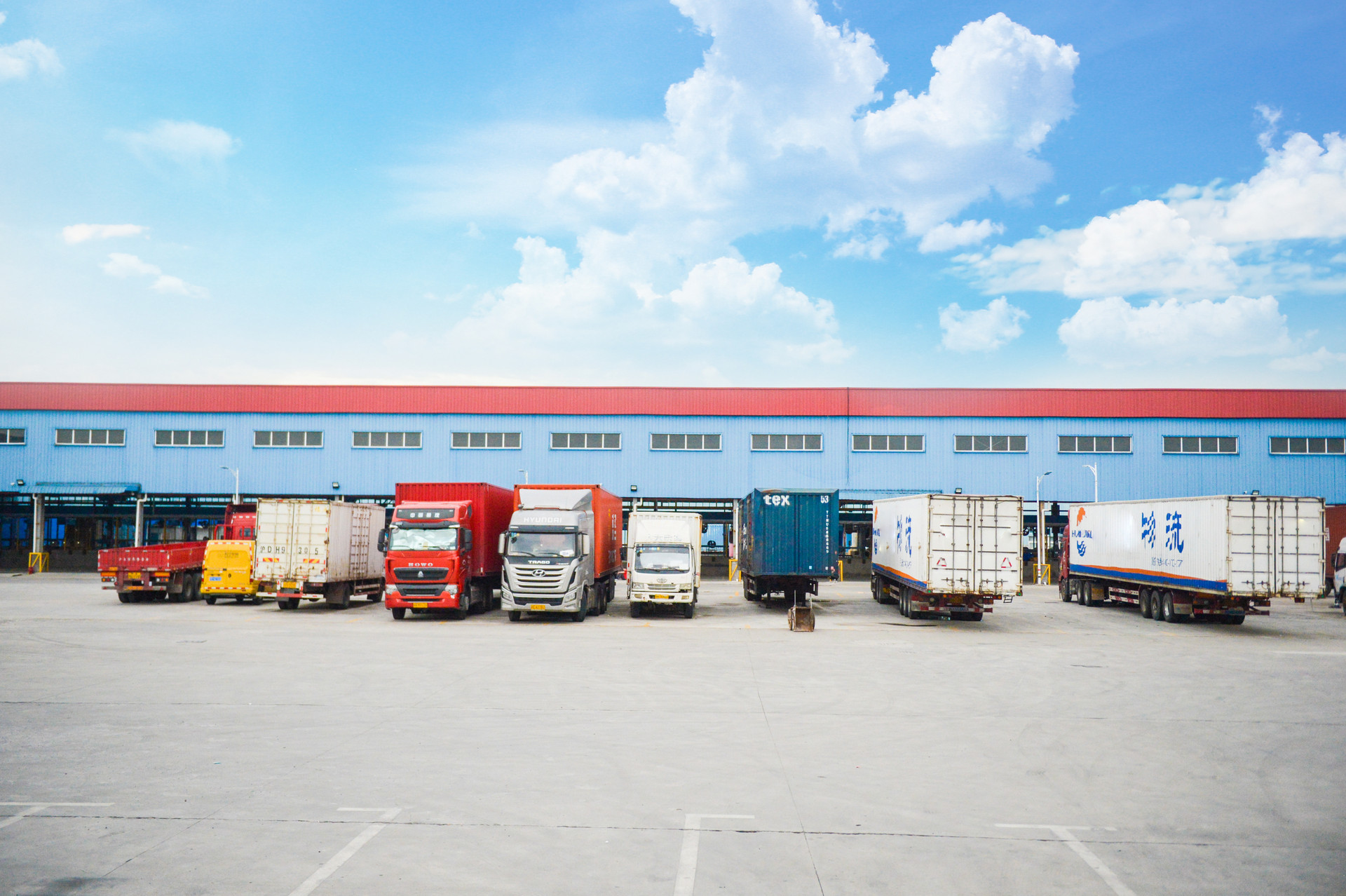
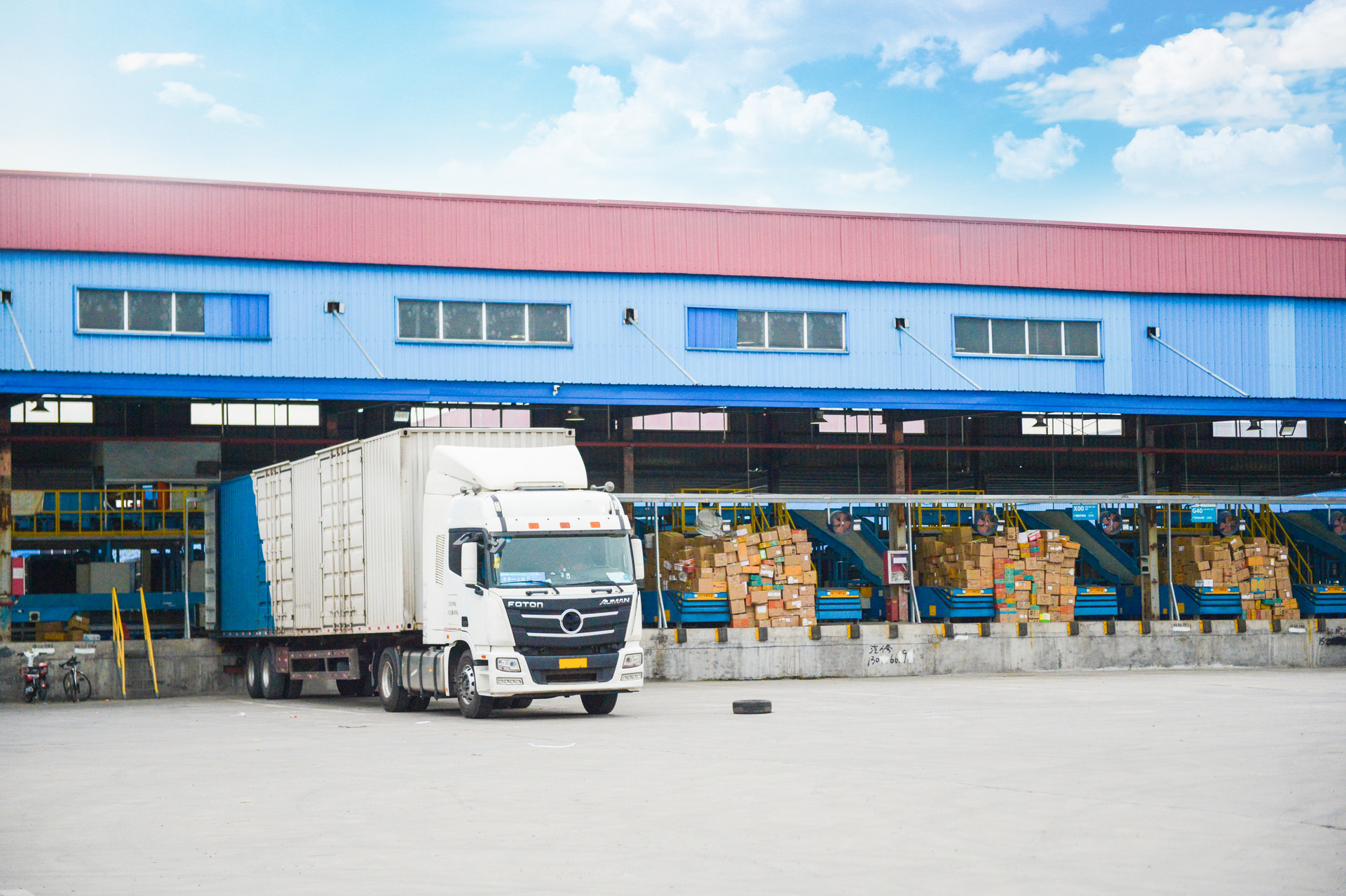
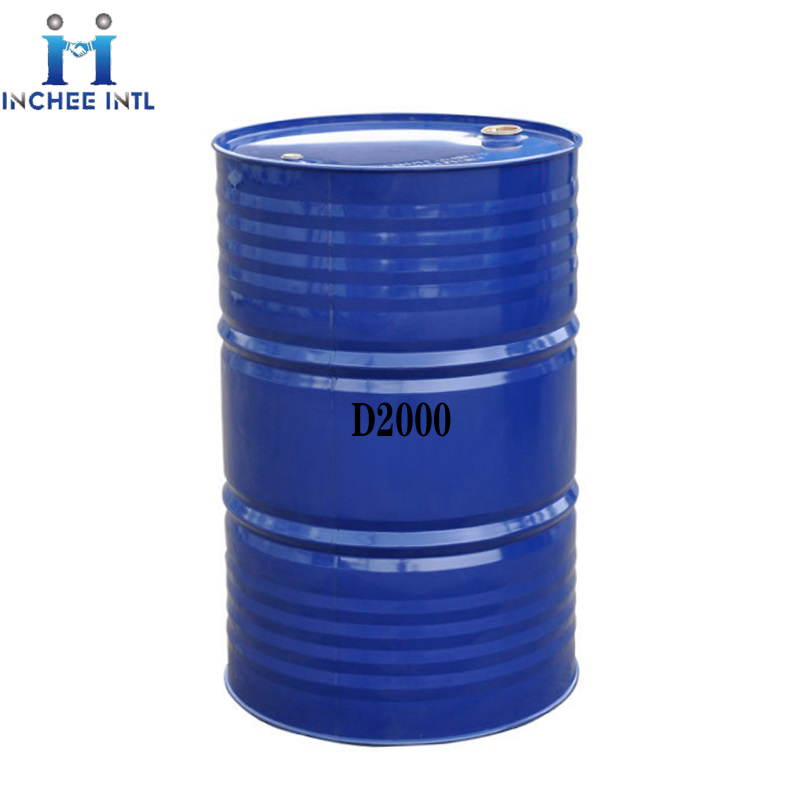
200 kg/fût
Le stockage doit se faire dans un endroit frais, sec et ventilé.